
Lip & Tongue-Tie Treatment – Phillipsburg, NJ
Enjoy Renewed
Oral Function
The procedure used to treat a lip or tongue-tie is called a frenectomy, but it is also sometimes referred to as a frenotomy or frenulectomy. No matter the verbiage, these all describe the same procedure. Dr. Garcia-DeMartino has decades of experience performing this procedure using the latest and most effective techniques. She is a laser treatment expert with nearly 20 years of experience, meaning when you come to see her, you can trust that you or your child are in great hands for lip and tongue-tie treatment in Phillipsburg, NJ. If you’re ready to finally take care of a lip or tongue-tie, contact us today to schedule a consultation.
Why Choose Dr. Garcia-DeMartino for Lip & Tongue-Tie?
- Fast & Pain-Free Laser Frenectomies
- Doctor Who is a Sympathetic Mother of 4
- Nearly 20 Years of Laser Treatment Experience
The Frenectomy Process
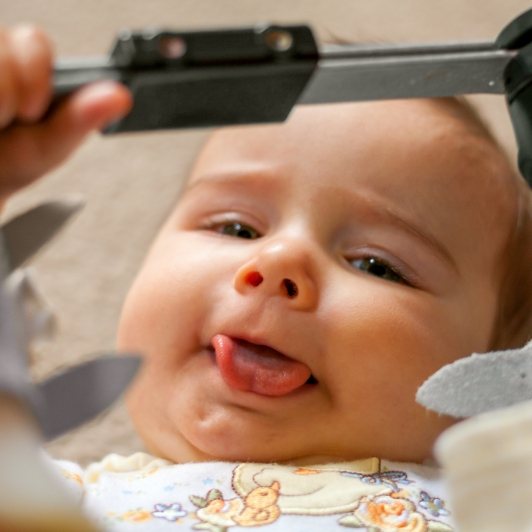
The goal of every frenectomy procedure is to loosen the connective tissues that are restricting the movement of the lips and/or tongue. To do this, a very small portion of tissue is removed.
Traditional Frenectomy
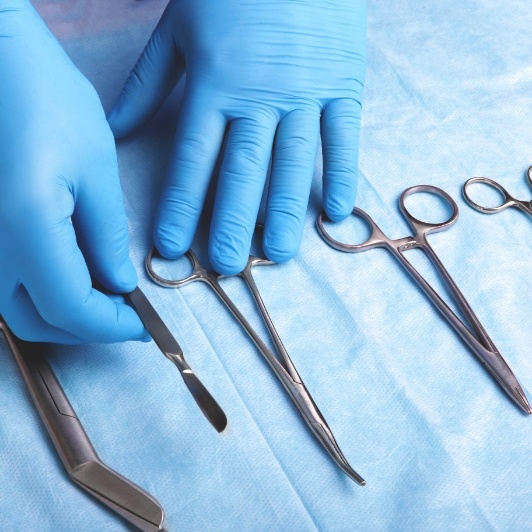
For decades, frenectomies were performed using surgical scissors. While these are more than capable of snipping troublesome tissue, this approach definitely has its drawbacks. Firstly, it isn’t exactly comfortable, plus it can be rather imprecise. The doctor’s goal is to remove as little tissue as possible while still delivering a positive result, and this is pretty difficult when working with infants who have tiny mouths and are likely also squirming and upset (even if they have been numbed with anesthetic, which carries its own risk of issues).
Laser Frenectomy
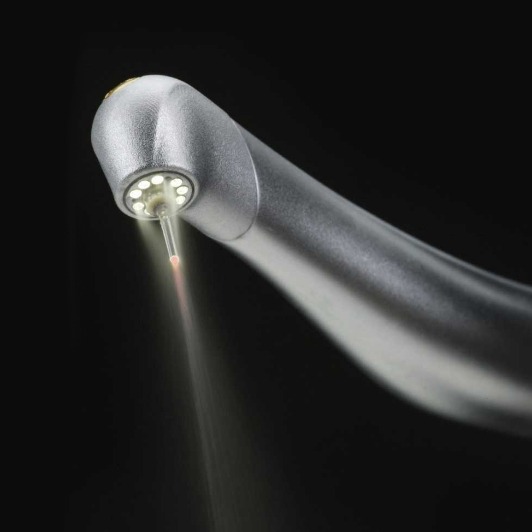
With a laser frenectomy, the excess oral tissue is instead removed using a highly-concentrated beam of light. This not only allows the doctor to be more accurate (enabling them to target smaller areas of tissue), but the process is much more comfortable as well. Typically, a baby only needs topical anesthetic, which means time doesn’t need to be taken to wait for general anesthesia to kick in. The laser itself emits practically no heat, sound, or vibration. Plus, it cauterizes the treatment area, ensuring there is very little bleeding, and drastically reducing recovery time.
Read More About The Laser Frenectomy
Advanced Technology for Precision Care

In order to provide the highest quality care possible, Dr. Garcia-DeMartino not only uses the latest laser technology to treat her patients, but she also utilizes special surgical loupes that allow her to look at a child’s mouth with extreme magnification. This helps her clearly see what is going on, so she can identify and remove as little tissue as possible. She also has special cameras that can be used to take pictures of the inside of a child’s mouth, which can be shown to the parent and lactation specialist to stimulate clear and precise communication.
Complimentary Revisions

After your child’s initial treatment, if they experience any additional issues related to a lip or tongue-tie, we will be happy to make any revisions they need for 100% FREE. Dr. Garcia-DeMartino takes a lot of pride in her work, and her main goal for each child is for them to live a happy life and have optimal oral health.
Lip & Tongue-Tie FAQs
Does Lip & Tongue-Tie Treatment Hurt?
No, laser frenectomies involve very little discomfort. Local anesthetics aren’t usually even necessary for the treatment. The dental laser precisely targets excess tissue, cauterizing it along the way. This method reduces inflammation and bleeding when compared to traditional methods. If the excess tissue is particularly thick, a local anesthetic can be used to ensure that your child doesn’t experience pain during their treatment.
Is My Child Old Enough to Get Lip & Tongue-Tie Treatment?
The thought of a baby going through a procedure can be scary at first. However, there is no minimum age for getting lip and tongue-tie treatment. It can even be performed a few days after birth. Unfortunately, lip and tongue-ties will not resolve themselves, so there usually isn’t any reason to postpone treatment. The sooner the issue is resolved, the sooner your baby will be able to achieve improved oral function.
How Long Does a Frenectomy Take?
Usually, the procedure just takes a few minutes – especially with out soft-tissue laser. If the frenulum is particularly thick or your child is having a tongue and lip tie corrected, it might take a little bit longer. During your consultation with us, we can discuss more about the timeline of the treatment so that you know exactly what to expect.
Will My Baby Cry During their Procedure?
It is common for babies to cry before, during, or after their frenectomy. However, this isn’t because the procedure is painful. Infants simply don’t like their lip and tongue being held and can’t understand why it is happening. Crying is how they express their discomfort. Our team understand the trust that you are putting in us, and we will always do everything we can to work efficiently and gently. Just remember that this treatment will help your baby and we have their best interest at heart.
Are There Any Dietary Restrictions After a Frenectomy?
For babies, their diet of breastmilk and/or formula will stay the same following their procedure. For older babies and children, it is a little bit different. If they receive a local anesthetic, you should wait until it wears off before you feed them solid foods. For a day or two afterward, they should stay away from foods that are particularly hot, cold, salty, or acidic. These sensations can irritate the healing tissue and cause discomfort.
What is Lip & Tongue-Tie? Common Symptoms Lip & Tongue-Tie Glossary How We Help